
The UK government has officially announced updated grant categories and values under the Boiler Upgrade Scheme (BUS) for 2026. These changes apply across England and Wales and are designed to encourage more homeowners to switch from traditional fossil fuel heating systems to cleaner and more energy-efficient alternatives such as heat pumps and biomass boilers.
With rising energy costs and growing demand for sustainable home heating, the latest Boiler Upgrade Scheme updates could help homeowners significantly reduce the upfront cost of installing low-carbon heating systems. The revised grant values came into effect from 28 April 2026 and include financial support of up to £7,500 for eligible heating upgrades.

What Is the Boiler Upgrade Scheme?
The Boiler Upgrade Scheme is a UK government initiative that provides grants to property owners who replace old fossil fuel heating systems with low-carbon alternatives. The scheme supports the transition towards greener energy solutions while helping households improve energy efficiency and reduce long-term heating costs.
The grants are available for eligible homes and small non-domestic properties in England and Wales. Instead of receiving the payment directly, the grant is usually applied by the installer as a discount on the installation cost.
The scheme mainly focuses on encouraging the adoption of:
- Heat pumps
- Biomass boilers
- Renewable heating technologies
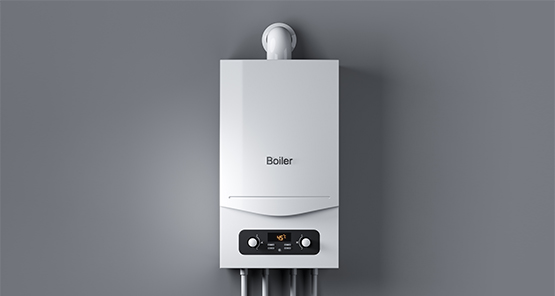
Updated Boiler Upgrade Scheme Grant Values for 2026
Under the latest government announcement, the approved grant categories and values are as follows:
| Heating System | Grant Value |
|---|---|
| Air-to-water heat pump | £7,500 |
| Air-to-air heat pump | £2,500 |
| Ground source heat pump | £7,500 |
| Biomass boiler | £5,000 |
These updated grant amounts aim to make renewable heating systems more accessible and affordable for homeowners looking to improve their property's energy performance.
Which Heating Systems Qualify for the Grant?
Air-to-Water Heat Pumps
Air-to-water heat pumps are one of the most popular low-carbon heating systems in the UK. They extract heat from the outside air and use it to heat radiators, underfloor heating systems, and hot water cylinders inside the home.
With a grant value of £7,500, these systems have become far more attractive for homeowners planning long-term energy savings.
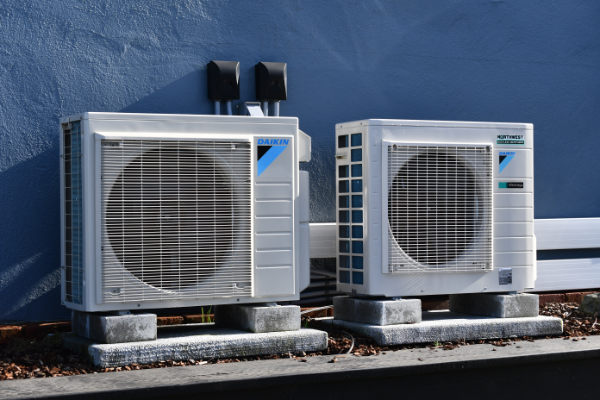
Air-to-Air Heat Pumps
Air-to-air heat pumps transfer heat from the outdoor air into the home through warm air circulation. These systems can also provide cooling during warmer months, making them suitable for year-round comfort.
The 2026 Boiler Upgrade Scheme includes a £2,500 grant for eligible air-to-air heat pump installations.
Ground Source Heat Pumps
Ground source heat pumps use underground pipes to extract natural heat from the earth. Although installation costs are generally higher, these systems are known for their excellent efficiency and long operational lifespan.
Eligible homeowners can now receive grants of up to £7,500 towards installation costs.
Biomass Boilers
Biomass boilers generate heat by burning renewable organic materials such as wood pellets or logs. They can be an effective option for off-grid properties where gas connections are unavailable.
The updated Boiler Upgrade Scheme offers a grant of £5,000 for qualifying biomass boiler installations.
New Approved Standards Under the 2026 Update
Alongside revised grant values, the government has also confirmed updated approved standards for products, testing, certification, and installation practices under the Boiler Upgrade Scheme regulations.
These standards include updated requirements related to
- Heat pump testing and efficiency.
- Product certification.
- Biomass system performance.
- Installation quality standards.
- Consumer protection schemes.
The updated regulations reference several recognised industry standards and Microgeneration Certification Scheme (MCS) requirements to ensure heating systems meet strict quality, safety, and performance benchmarks.
Why These Standards Matter
Although technical standards may seem complicated, they play an important role in protecting homeowners and maintaining installation quality across the industry.
The updated standards help ensure that
- Heating systems perform efficiently.
- Installations meet safety requirements.
- Products are independently tested.
- Consumers receive reliable service.
- Renewable systems deliver expected energy savings.
For homeowners, this means greater confidence when investing in low-carbon heating solutions through government-backed schemes.
The Importance of Using Certified Installers
To qualify for the Boiler Upgrade Scheme, installations must usually be completed by certified professionals following approved standards and industry regulations.
Using accredited installers helps ensure
- Correct system sizing and design.
- Safe and compliant installation.
- Improved system performance.
- Eligibility for government grants.
- Access to consumer protection measures.
The latest update also references recognised consumer protection schemes such as HIES and RECC, which are designed to support homeowners throughout the installation process.
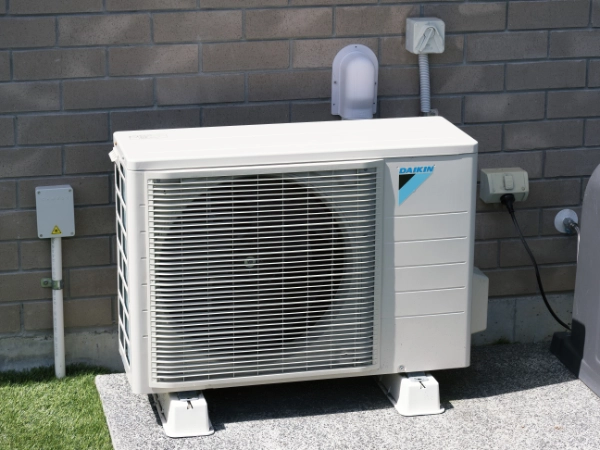
Why More UK Homeowners Are Switching to Heat Pumps
Heat pumps continue to grow in popularity across the UK due to increasing awareness of energy efficiency and sustainability. Government support through schemes like BUS is helping reduce the barrier of high upfront installation costs.
Some of the main benefits of heat pumps include
- Lower carbon emissions.
- Improved energy efficiency.
- Reduced reliance on fossil fuels.
- Potential long-term savings on heating bills.
- Future-ready heating technology.
As the UK continues moving towards net zero targets, low-carbon heating systems are expected to become even more common in both new and existing homes.
Should You Apply for the Boiler Upgrade Scheme in 2026?
If you are planning to replace an older heating system, the updated Boiler Upgrade Scheme grants may provide an excellent opportunity to reduce installation costs while improving your home's energy efficiency.
With grants of up to £7,500 available for eligible systems, many homeowners may find renewable heating more affordable than expected. However, eligibility requirements, property suitability, and installation standards should always be checked before starting a project.
Speaking with a qualified and certified installer can help you understand
- Which systems are suitable for your property.
- Estimated installation costs.
- Potential energy savings.
- Grant eligibility requirements.
- Expected long-term performance.
Conclusion
The 2026 Boiler Upgrade Scheme updates represent another major step towards cleaner and more sustainable home heating across England and Wales. By increasing support for heat pumps and biomass systems while strengthening installation standards, the government aims to encourage wider adoption of renewable heating technologies.
For homeowners considering a heating upgrade, the revised grant values could significantly reduce upfront costs and make energy-efficient systems more accessible. Whether you are exploring air source heat pumps, ground source systems, or biomass boilers, now may be the right time to take advantage of the available government support and future-proof your home heating system.
Ready to Switch to Low-Carbon Heating?
Find out if your property qualifies for the Boiler Upgrade Scheme. Our team will check your eligibility and manage your application at no cost.
Book Free Survey