
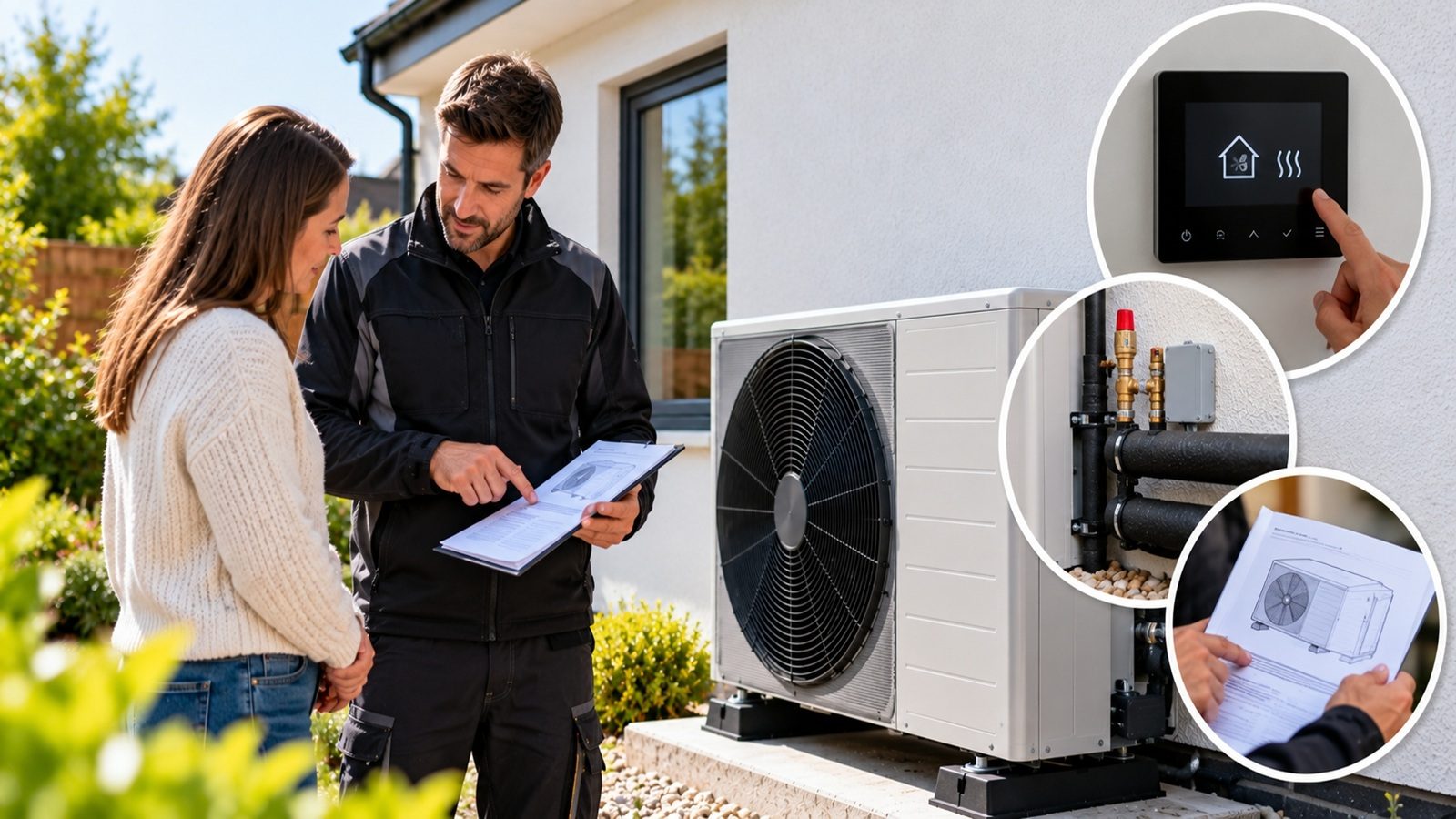
Having an air source heat pump installed is an important step towards more efficient, low-carbon home heating. However, the installation itself is only part of the process. Before the installer leaves, you should understand how your new system operates, how to control your heating and hot water, and what to do if something does not seem right.
This final stage is known as the handover. A thorough handover helps you feel confident using your equipment, understand your responsibilities as a homeowner, and avoid common mistakes that can affect comfort and efficiency.
In this guide, Infinity explains what an air source heat pump handover should cover and what you should receive before considering the installation complete.
What Is an Air Source Heat Pump Handover?
An air source heat pump handover is the process of transferring the completed system to the homeowner after installation and commissioning. It should include practical guidance, essential documentation, and an explanation of how the equipment has been configured for the property.
Rather than simply switching the system on, the installer should explain how the controls work, demonstrate the main functions, and answer your questions.
The handover should also confirm that the system has been tested and commissioned appropriately. This helps establish a clear starting point for future maintenance, fault diagnosis, and warranty support.
1. Understand How Your Heating System Works
Your installer should explain the main components of your new heating system and how they work together. These may include the outdoor heat pump unit, indoor controls, heating circuit, hot water cylinder, and circulation equipment.
You should understand:
- How the heat pump provides heating to your home.
- How your radiators or underfloor heating are controlled.
- How domestic hot water is heated and stored, if your system includes a cylinder.
- Which components you can safely operate yourself.
- Where to find the main controller and any relevant isolation switches.
Knowing the basics makes it easier to recognise normal operation and identify when something needs attention.
2. Learn to Use Your Heating Controls
Correct use of the controls is essential for maintaining comfort and supporting efficient operation. Your installer should demonstrate the controller rather than leaving you to work through unfamiliar menus alone.
Ask for guidance on setting your preferred room temperature, adjusting heating schedules, changing hot water timings, and understanding any available operating modes.
Heat pumps often work best when they maintain a relatively steady indoor temperature instead of repeatedly heating a cold home from a very low setting. However, the best approach depends on your property, heating system, and manufacturer's recommendations.
Avoid changing advanced installer settings without professional advice. Incorrect adjustments can affect performance or cause unnecessary operating problems.
3. Check That Commissioning Has Been Completed
Commissioning involves checking that the heat pump and its associated components have been installed, configured, and tested correctly.
Before the handover is complete, ask whether the installer has carried out the required commissioning checks and recorded the results.
Depending on the system, these checks may cover:
- Heating operation and temperature settings.
- Water circulation and system pressure.
- Hot water production.
- Heating controls and safety functions.
- Relevant electrical and system checks.
- Confirmation that the system operates in accordance with its design.
The installer should explain any outstanding work or issues and clarify how these will be resolved. Do not assume that a system is fully commissioned simply because it powers on.
4. Collect Your Installation Documents
Keep your handover documents somewhere safe and accessible. They may be needed for servicing, warranty claims, future repairs, or property-related records.
Your documentation should include the relevant items for your installation, such as:
User manual: Explains normal operation, control settings, warning messages, and basic care.
Commissioning records: Provides information about the completed system checks and its initial settings.
Warranty information: Sets out the applicable cover, conditions, exclusions, and any registration requirements.
System details: Identifies the installed equipment and relevant model or serial numbers.
Installation and compliance documents: Includes applicable certificates, notifications, or other records required for the work completed.
Maintenance guidance: Explains the recommended servicing schedule and any homeowner checks.
The exact documents depend on the equipment, installation, and applicable requirements. Ask your installer to identify what has been provided and whether you need to complete any follow-up steps.
5. Know What Maintenance Is Required
Although air source heat pumps are designed for regular use, they still need appropriate care. Your handover should explain which checks you can carry out safely and which tasks must be left to a qualified professional.
For example, you may be able to keep leaves and loose debris away from the outdoor unit, check for visible damage, and monitor how well the system heats your home.
You should also know how often professional servicing is recommended by the manufacturer and whether your warranty requires particular maintenance arrangements.
Never open electrical compartments, interfere with refrigerant components, or attempt internal repairs yourself. If the system develops a persistent fault, seek assistance from an appropriately qualified engineer.
6. Understand Error Codes and Emergency Procedures
A warning on the controller does not always indicate a major failure, but it should not be ignored. Ask your installer to show you where fault messages appear and explain how to find their meanings in the user manual.
You should also know whom to contact if the system stops heating, repeatedly displays an error, or develops a leak or unusual noise.
Find out which shutdown procedure the manufacturer recommends and where the relevant controls are located. Do not repeatedly reset the heat pump or bypass safety features to keep it running.
If you notice a burning smell, damaged electrical components, or another immediate safety concern, keep clear of the affected equipment and seek appropriate professional assistance.
7. Discuss Running Costs and Efficient Operation
Your installer should explain the factors that influence electricity consumption and how your system has been designed to meet your home's heating requirements.
Running costs depend on the property's heat loss, electricity tariff, outdoor temperatures, hot water demand, and how the system is controlled. There is no single figure that applies to every household.
Ask about the expected operating settings, how to monitor energy use if your system provides this information, and what changes might affect efficiency.
It is also useful to understand that the system may behave differently from a conventional boiler. Allowing it to operate according to its intended settings can help you assess its performance more accurately.
Air Source Heat Pump Handover Checklist
Before your installer leaves, use this checklist to confirm that the essentials have been covered.
- The main system components and controls have been explained.
- Heating and hot water settings have been demonstrated.
- Commissioning has been completed and relevant records provided.
- User manuals, warranty details, and applicable certificates have been supplied.
- Maintenance requirements and safe homeowner checks have been explained.
- Fault messages and contact arrangements have been discussed.
- Any outstanding work has been recorded with clear next steps.
Keep a copy of this checklist with your installation documents so you can refer to it later.
Frequently Asked Questions
How long should an air source heat pump handover take?
The time required depends on the system's complexity and how much guidance you need. The installer should allow enough time to explain the controls, demonstrate normal operation, and answer your questions properly.
Can I change the heating settings after handover?
Yes, you can usually adjust everyday settings such as room temperatures and schedules. Follow the user manual and avoid changing advanced settings unless your installer advises you to do so.
What if I have questions after the installer leaves?
Refer to your user manual and handover documents first. For persistent faults or questions about system configuration, contact your installer or an appropriately qualified heat pump engineer.
Is commissioning different from the handover?
Yes. Commissioning involves testing and configuring the system, while the handover explains the completed installation to the homeowner and provides the relevant instructions and documentation.
Get More from Your Air Source Heat Pump with Infinity
A proper handover helps you understand your heating system from day one. Knowing how to use the controls, where to find important documents, and when to seek professional support can make managing your home's heating much easier.
At Infinity, we believe that understanding your heating system is an important part of moving towards low-carbon home comfort. Whether you are planning an installation or reviewing your existing heating arrangements, having the right information helps you make informed decisions.
Contact Infinity today to discuss your home heating requirements and take the next step towards a more efficient heating solution.
Ready to improve your home's energy efficiency?
Check your eligibility for grants and book a free survey with our team.
Book Free Survey