
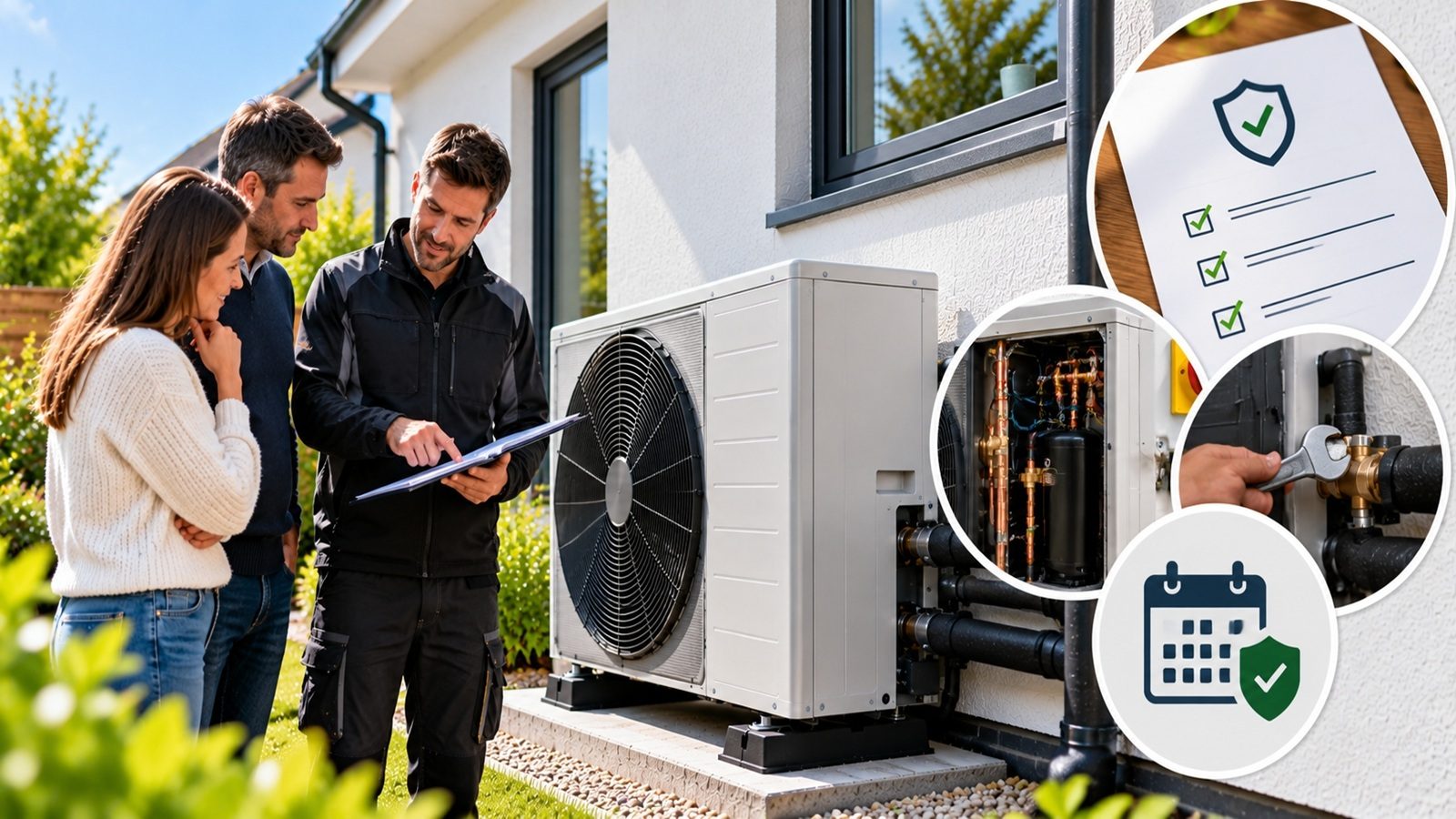
Installing an air source heat pump is a significant investment in your home's heating system. Like any major piece of equipment, it is important to understand what protection comes with your purchase, how long the warranty lasts, and what you may need to do to keep it valid.
An air source heat pump warranty can provide reassurance if a covered component develops a fault. However, warranty protection varies between manufacturers, products, and installation arrangements. Understanding the terms before purchasing can help you avoid unexpected repair costs and make informed decisions about your heating system.
At Infinity, we encourage homeowners to understand the practical considerations involved in renewable heating, including the importance of checking warranty documentation before installation.
What Is an Air Source Heat Pump Warranty?
An air source heat pump warranty is a set of terms under which a manufacturer or other warranty provider agrees to address specified faults or defects for a defined period.
Coverage may apply to manufacturing defects, faulty components, or other issues described in the warranty conditions. Some products have separate warranty periods for different components, while additional protection may be available through optional plans.
It is important to distinguish between a manufacturer's warranty and a workmanship or installation guarantee.
- Manufacturer's warranty: Generally concerns defects or faults covered under the equipment manufacturer's terms.
- Installation guarantee: May cover specified problems arising from installation work, depending on the installer and the guarantee conditions.
- Extended warranty: May offer additional protection beyond the standard warranty, subject to its own terms, exclusions, and costs.
These forms of protection are not interchangeable. Check who provides each guarantee and what responsibility they accept.
What May Be Covered by a Heat Pump Warranty?
The exact coverage depends on the product and warranty agreement. Common areas of potential protection include the following.
1. Manufacturing Defects
A warranty may cover faults caused by defects in materials or manufacturing that arise during the specified coverage period.
For example, if an eligible component fails because of a covered manufacturing defect, the manufacturer may agree to repair or replace it in accordance with the warranty terms.
Coverage is not automatic for every fault. The cause of the problem may need to be assessed before a claim is accepted.
2. Compressor and Refrigeration Components
The compressor is an important part of a heat pump's refrigeration circuit. Some warranties cover the compressor and other specified refrigeration components, although coverage periods and conditions can differ.
Check whether the compressor has a separate warranty from the rest of the unit. Also establish whether labour, refrigerant, transport, and replacement costs are included, as these may be treated differently.
3. Electrical and Control Components
Heat pumps contain electrical components, sensors, circuit boards, and control systems. Certain faults involving these parts may qualify for warranty protection if they meet the manufacturer's conditions.
Damage resulting from incorrect wiring, unsuitable electrical supplies, external events, or unauthorised modifications may be excluded. The relevant terms should clarify the circumstances in which electrical faults are covered.
4. Replacement Parts
Where a valid claim is accepted, the warranty may provide a replacement component or authorise a repair.
However, a replacement part does not necessarily mean that all associated expenses are covered. Labour, access equipment, travel, refrigerant handling, and system recommissioning may be subject to separate conditions.
Always ask what the warranty includes before assuming a repair will be entirely free of charge.
What Is Usually Excluded from Warranty Coverage?
Understanding exclusions is just as important as knowing what may be covered. Depending on the warranty terms, exclusions can include:
- Damage caused by incorrect installation or commissioning.
- Faults resulting from poor maintenance or neglect.
- Damage caused by unauthorised repairs or modifications.
- Physical damage, misuse, or external events not covered by the agreement.
- Normal wear and tear or routine servicing.
- Consumables and certain replacement items.
- Problems caused by operating the equipment outside the manufacturer's specified conditions.
A warranty may also impose requirements concerning approved installation practices, servicing, registration, or the use of compatible components.
Do not assume that every exclusion applies to every heat pump. Read the actual warranty document and seek clarification from the provider if any wording is unclear.
How Long Does an Air Source Heat Pump Warranty Last?
There is no single warranty period that applies to every air source heat pump. Coverage depends on the manufacturer, model, country of purchase, registration conditions, and any additional warranty arrangement.
Some products offer different periods for the complete unit and selected components. An extended warranty may also be available, but it is important to check when the additional protection begins and whether it changes the original terms.
Before choosing a system, ask for confirmation of:
- The standard warranty period.
- Any separate coverage for major components.
- Whether product registration is required.
- The deadline for registration, where applicable.
- Whether regular servicing is a condition of coverage.
- The process for making a claim.
Obtain the warranty details in writing and keep them with your purchase and installation records.
How to Keep Your Heat Pump Warranty Valid
Following the manufacturer's instructions can help protect your warranty rights and support reliable system operation.
Register the equipment: Complete registration within the specified timeframe if required. Keep confirmation of registration for your records.
Use a suitably qualified installer: Ensure installation and commissioning follow the manufacturer's instructions and relevant requirements. Keep invoices and commissioning documentation.
Follow maintenance guidance: Arrange the inspections and servicing specified by the manufacturer and retain service records.
Avoid unauthorised modifications: Consult an appropriate professional before changing system components, controls, or operating arrangements.
Keep documentation safe: Store the warranty certificate, product details, proof of purchase, installation records, and correspondence in one place.
If a fault develops, contact the relevant warranty provider or installer promptly. Avoid attempting repairs that could create safety risks or affect warranty eligibility.
What Should You Check Before Buying?
A longer warranty is not necessarily better if its exclusions are extensive or associated repair costs remain the homeowner's responsibility.
When comparing heat pump options, consider the complete warranty arrangement rather than focusing only on its duration.
Ask these questions:
- Who provides the warranty, and who handles claims?
- Which components are covered, and for how long?
- Are labour and call-out costs included?
- Are there registration or servicing conditions?
- What happens if a replacement component is unavailable?
- Are extended warranties available, and what do they cost?
- What documentation is required if a fault develops?
Clear answers can help you compare products more effectively and understand the protection available after installation.
Conclusion: Understand Your Heat Pump Warranty Before Installation
An air source heat pump warranty can offer valuable protection against specified manufacturing and component faults, but its benefits depend on the terms and conditions. Installation guarantees, manufacturer warranties, and extended protection may cover different risks, so it is important to understand each arrangement separately.
Before committing to a system, review the warranty duration, component coverage, exclusions, servicing requirements, and potential repair costs. Keeping accurate records and following the manufacturer's guidance can also help you manage your responsibilities as a homeowner.
Infinity encourages homeowners to make informed decisions when exploring renewable heating solutions. Understanding warranty protection is one practical step towards planning a reliable heating system with greater confidence.
Get in touch with Infinity to discuss your renewable energy requirements and explore the considerations involved in choosing a suitable heating solution.
Ready to improve your home's energy efficiency?
Check your eligibility for grants and book a free survey with our team.
Book Free Survey