
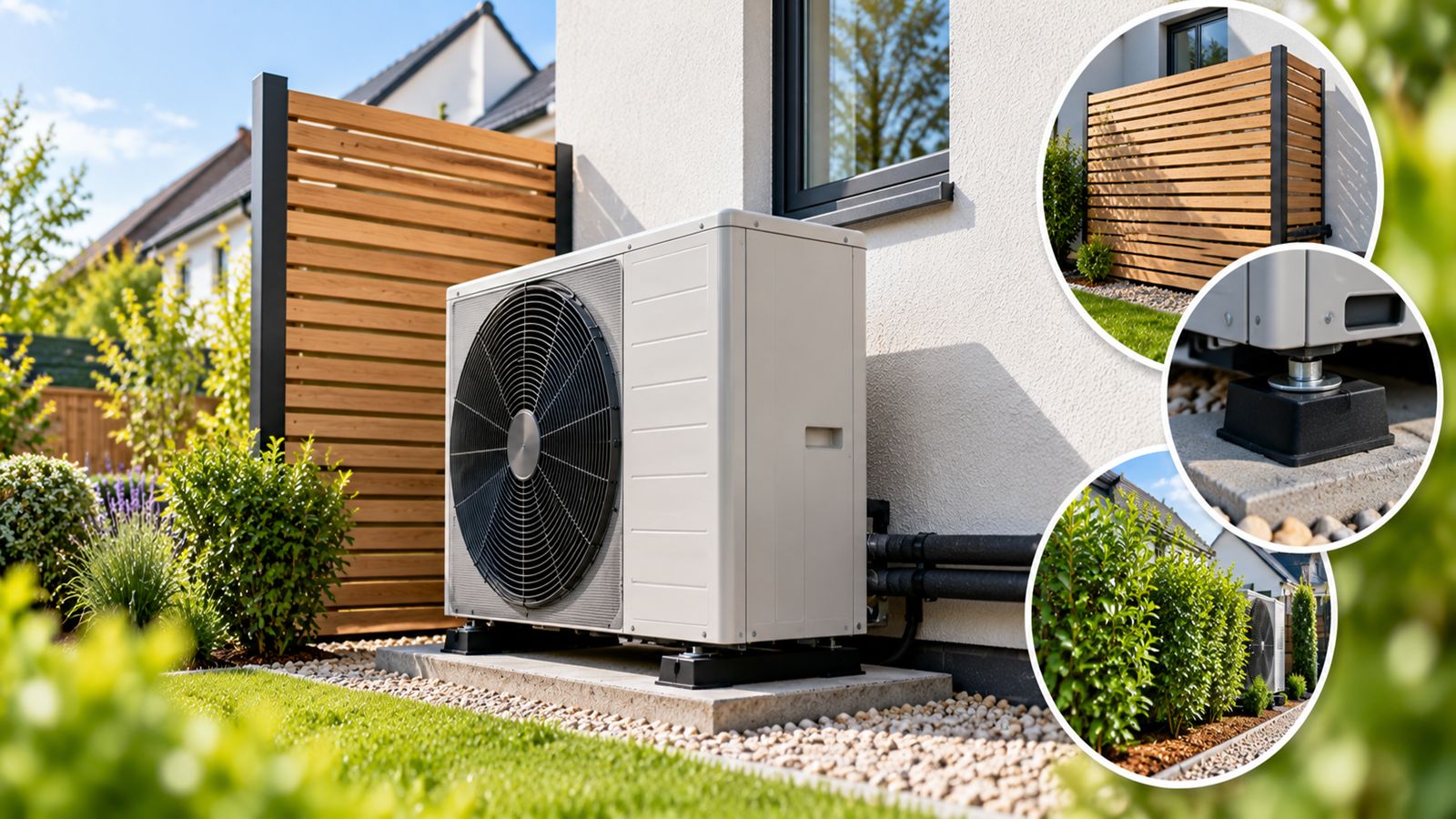
Air source heat pumps offer an alternative to traditional heating systems, but one concern homeowners sometimes have is the noise produced by the outdoor unit. If you are considering installing a heat pump, or already have one at home, understanding what causes this sound and how to manage it can help you enjoy a more comfortable living environment.
Some noise is normal. The outdoor fan moves air across the heat exchanger, while the compressor operates to transfer heat into your home. However, excessive vibration, rattling, or an unexpected change in sound may indicate that something needs attention.
In this guide, we explain why air source heat pumps make noise and share practical ways to reduce disturbance without compromising system performance or safety.
Why Do Air Source Heat Pumps Make Noise?
An air source heat pump contains moving and mechanical components, so completely silent operation is not realistic. The amount of sound produced depends on the model, operating conditions, installation, and maintenance.
Common sources of noise include:
- The outdoor fan: Moves air through the unit to extract heat from the surrounding environment.
- The compressor: Circulates refrigerant and can produce a low mechanical hum.
- Vibration: May travel through mounting brackets, pipework, or the supporting surface.
- Defrost cycles: In cold weather, the system may temporarily change its operation to remove frost from the outdoor heat exchanger.
- Loose components: Panels, fixings, or nearby objects can create rattling or buzzing sounds.
A steady hum or airflow sound may be part of normal operation. Sudden, loud, or persistent noises deserve closer attention.
1. Choose the Right Location for the Outdoor Unit
The position of an air source heat pump can make a noticeable difference to how its sound is experienced inside and outside your home.
When planning a new installation, consider its distance from bedroom windows, neighbouring properties, patios, and other quiet areas. Sound can reflect off nearby walls and hard surfaces, potentially making it more noticeable in certain locations.
A suitable position should also provide enough space for airflow, drainage, maintenance, and access to the unit. Placing the heat pump in a cramped enclosure to hide it from view may restrict airflow and affect performance.
An experienced installer can help identify a location that balances acoustic comfort with the manufacturer's installation requirements.
2. Select a Quiet, Efficient Heat Pump
Not all heat pumps produce the same amount of noise. Before purchasing a system, compare the manufacturer's published sound power levels and look for information about its operating modes.
Some models include a quiet or night mode that reduces fan or compressor speed. This can be useful when noise is more noticeable in the evening, although it may also reduce heating output in certain conditions.
Remember that sound power and sound pressure are different measurements. The noise you hear at a particular location depends on the unit, distance, surrounding surfaces, and installation conditions.
Choosing a suitable model at the beginning can help avoid noise concerns later. UK government guidance also highlights the importance of installation quality and positioning when managing heat pump noise.
3. Reduce Vibration with Proper Mounting
Sometimes the problem is not the fan or compressor itself, but vibration travelling through the surface supporting the unit.
A heat pump should be installed on a stable, level base that meets the manufacturer's requirements. Suitable anti-vibration mounts may help reduce the transmission of mechanical vibration into nearby structures.
If your heat pump is installed on a wall bracket or close to a bedroom, vibration may be more noticeable indoors. Ask a qualified installer to assess the mounting arrangement before making changes.
Avoid placing improvised padding beneath the unit. An unsuitable base can affect stability, drainage, and safe operation.
4. Keep the Outdoor Unit Clear
Leaves, loose garden items, and other obstructions around the outdoor unit can interfere with airflow or cause unwanted rattling.
To help your heat pump operate as intended:
- Remove leaves and loose debris from around the unit.
- Keep plants and stored items away from the air inlet and outlet.
- Check that accessible panels and covers do not appear loose.
- Follow the manufacturer's instructions for cleaning and maintaining the unit.
Never insert objects into the fan grille or remove protective panels while the equipment is operating.
If the unit begins making an unusual grinding, banging, or persistent buzzing noise, arrange a professional inspection rather than attempting an internal repair.
5. Consider Sound Reflection and Garden Layout
Hard surfaces can reflect sound, making a heat pump seem louder than expected. Narrow passages between walls, enclosed courtyards, and corners may affect how noise travels.
When planning an installation, consider how sound could reach your own windows and those of neighbouring homes. The aim is to find a location that balances noise control with adequate airflow and easy access for maintenance.
A fence or acoustic screen may sometimes help, but it must be designed and positioned carefully. A poorly placed barrier can obstruct airflow, interfere with servicing, or create additional sound reflections.
For a new installation in England, your installer should also check the applicable planning requirements and noise assessment standards.
6. Arrange Regular Maintenance
A well-maintained heat pump is less likely to develop avoidable noise caused by worn or loose components.
During a professional service, an engineer can inspect accessible fixings, the fan, mounting points, and other relevant components. They can also investigate whether unusual sounds indicate a mechanical fault or an operating issue.
Pay attention to changes in sound rather than assuming every noise is normal. A gentle hum may be expected, but a sudden increase in volume, repeated rattling, or persistent vibration should be investigated.
Regular maintenance also helps support reliable heating performance throughout the year.
Is It Normal for a Heat Pump to Get Louder in Winter?
An air source heat pump may sound different during colder weather because its operating conditions change. The system may run for longer periods, and its fan or compressor may work differently as it meets the home's heating demand.
During a defrost cycle, you may hear a temporary change in sound as the unit removes accumulated frost from its outdoor heat exchanger. This can be a normal part of operation.
However, unusually loud or persistent noise should not automatically be attributed to winter weather. If the sound changes significantly or is accompanied by reduced heating performance, contact a qualified engineer.
What About Heat Pump Noise at Night?
Noise can be more noticeable at night when background activity decreases. If your outdoor unit is near a bedroom window, yours or a neighbour's, its location and operating settings deserve particular attention.
Check whether your system offers a manufacturer-approved quiet mode and whether its schedule can be adjusted without compromising your heating needs.
If the noise continues to disturb your household or neighbours, ask your installer to assess the unit's position, mounting, and operating settings. Avoid changing technical settings without appropriate guidance.
Conclusion
Air source heat pump noise is often manageable with the right equipment, careful positioning, secure mounting, and regular maintenance. A consistent hum or occasional change in sound may be normal, but persistent rattling, excessive vibration, or a sudden increase in noise should be checked by a professional.
If you are planning a new installation, consider sound levels alongside efficiency, heating capacity, and the layout of your property. If you already have a heat pump, start by checking for visible obstructions and arranging an inspection if anything seems unusual.
Need advice about your air source heat pump? Contact Infinity to discuss your heating requirements and explore suitable installation and maintenance options for your home.
Ready to improve your home's energy efficiency?
Check your eligibility for grants and book a free survey with our team.
Book Free Survey